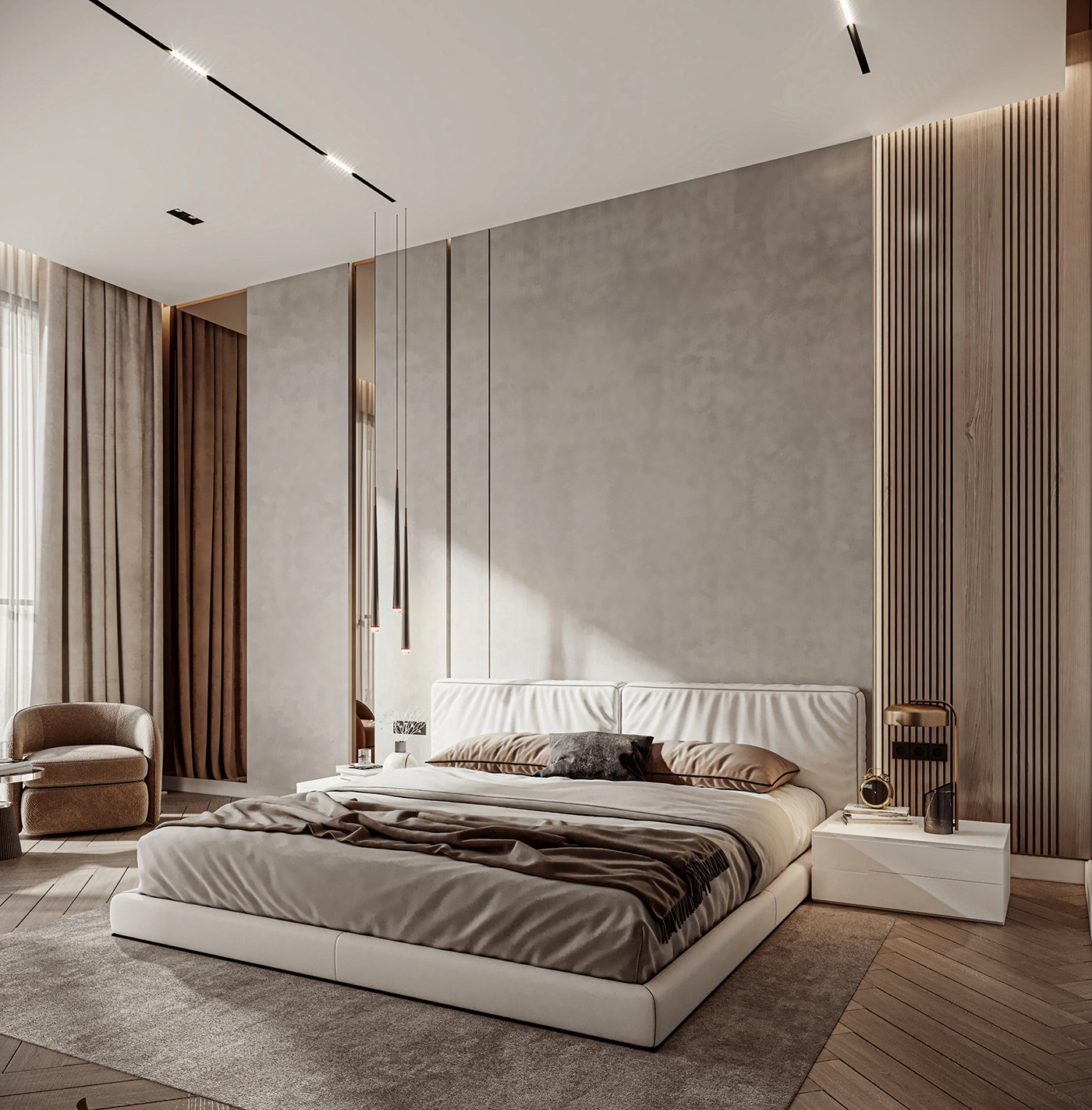
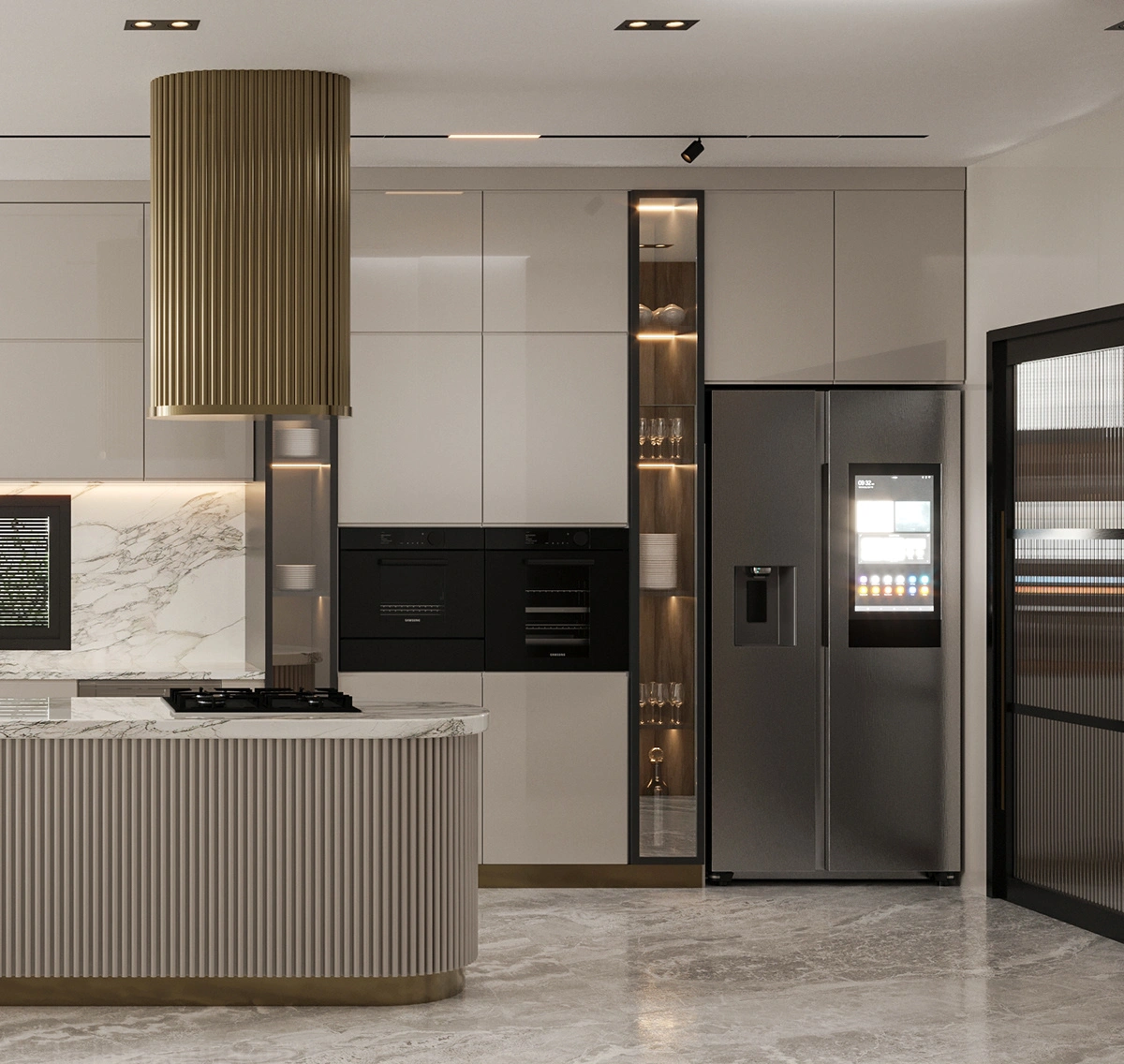
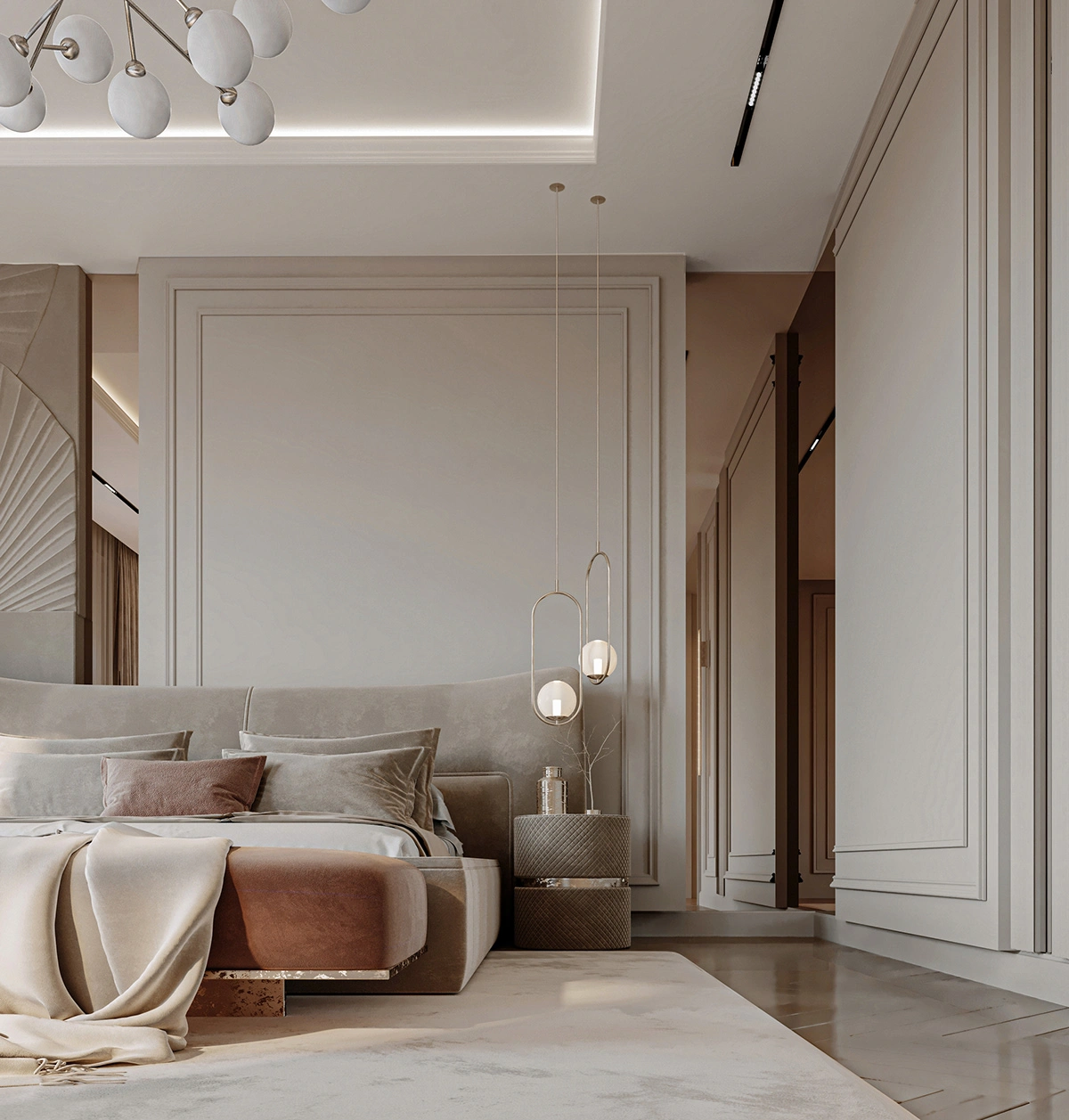
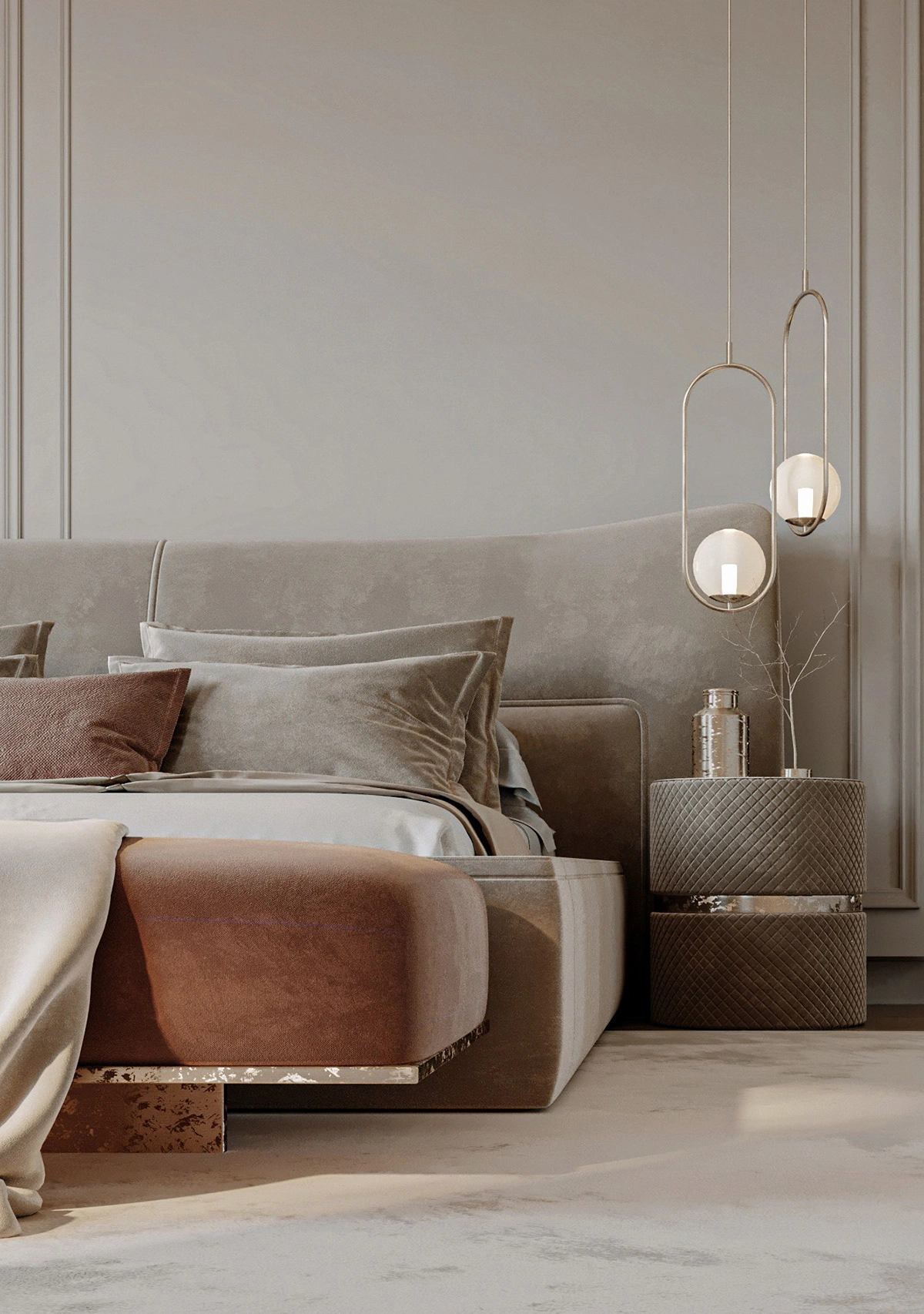
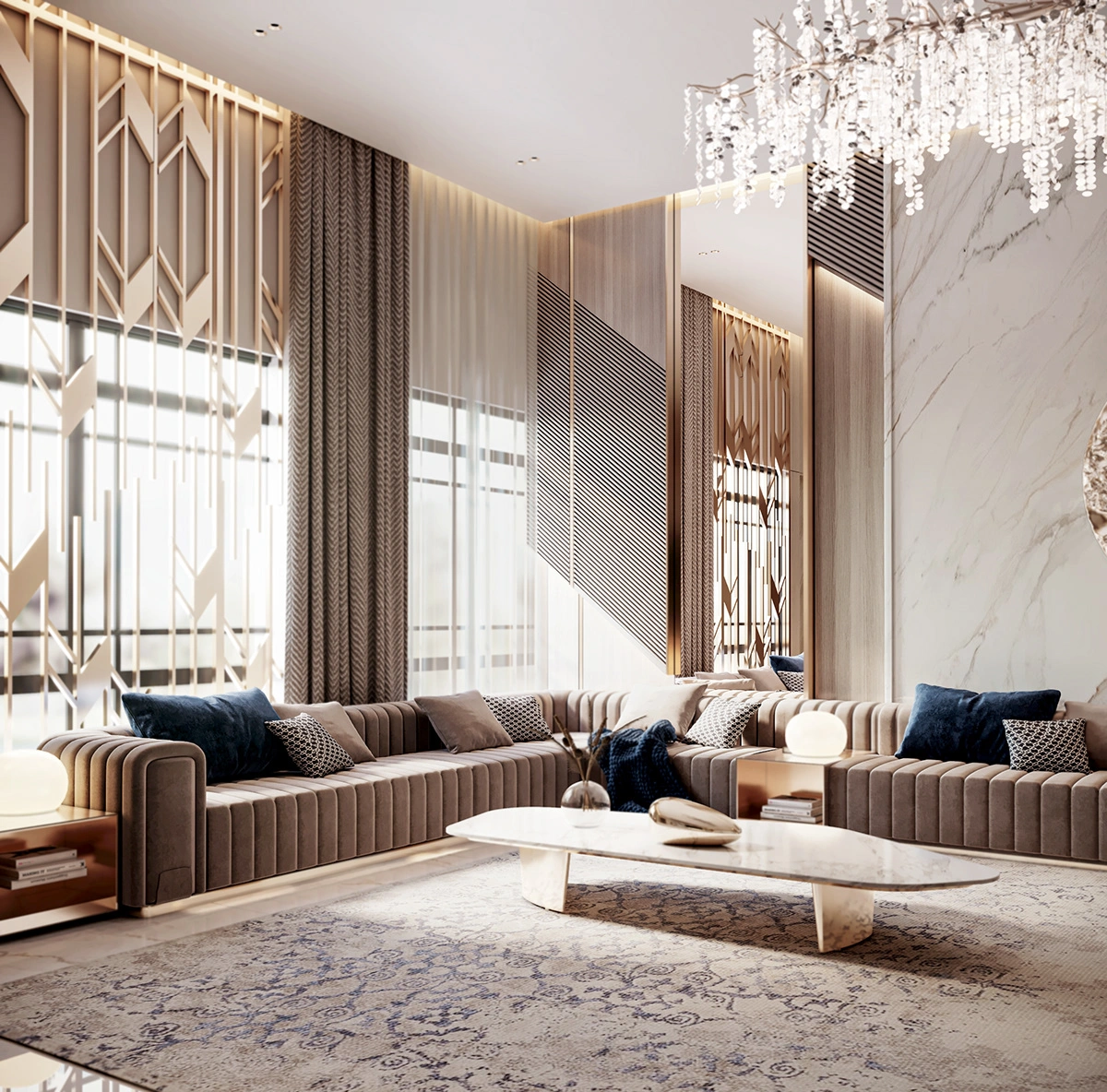
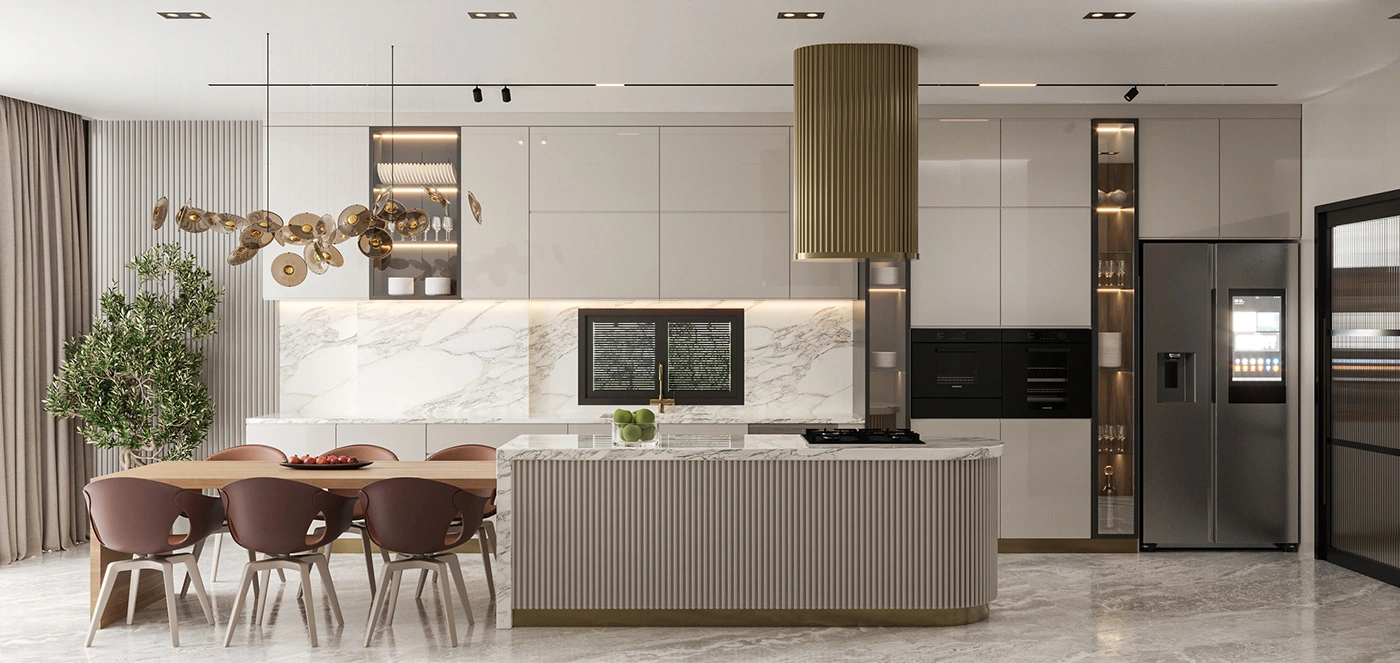
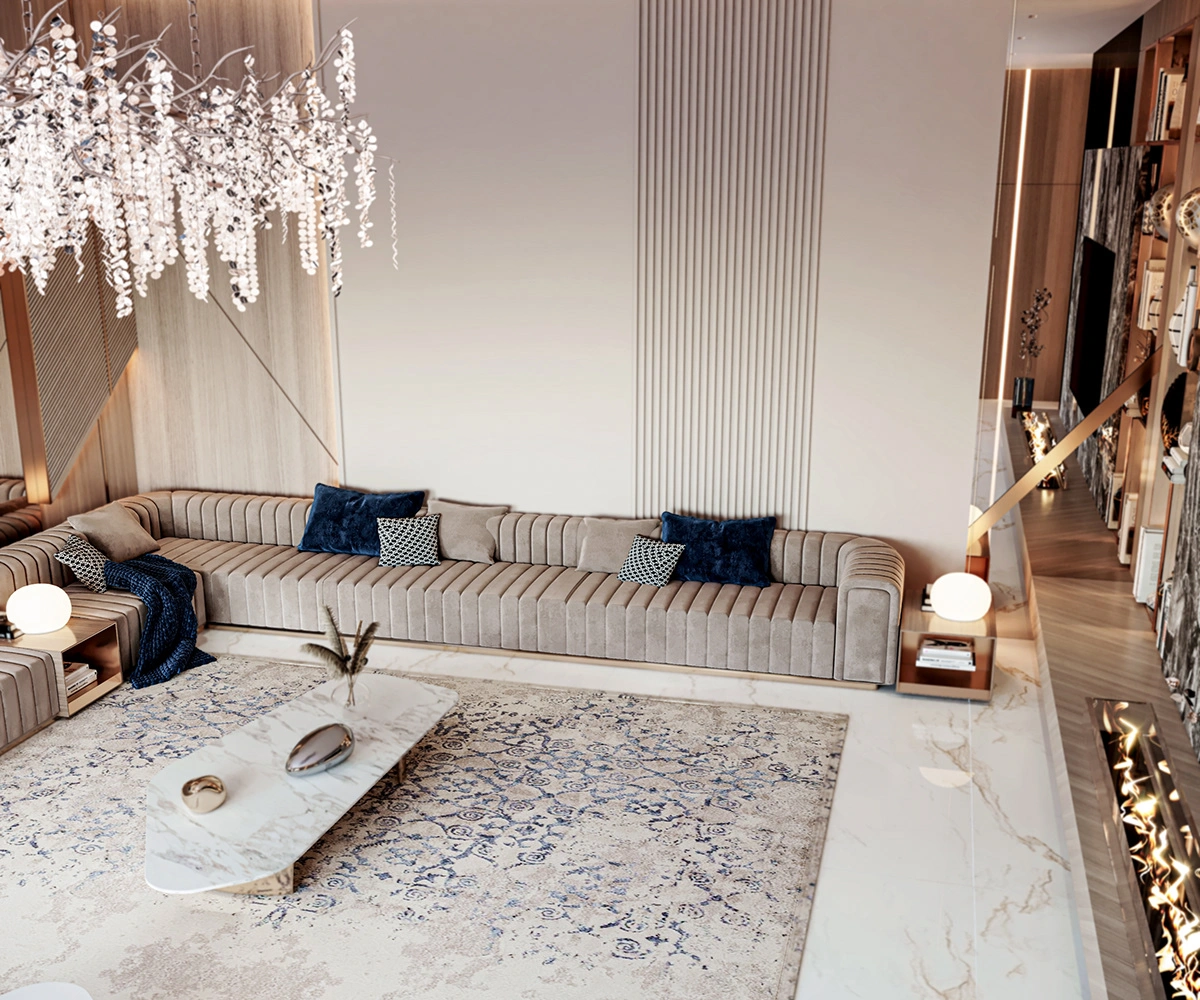
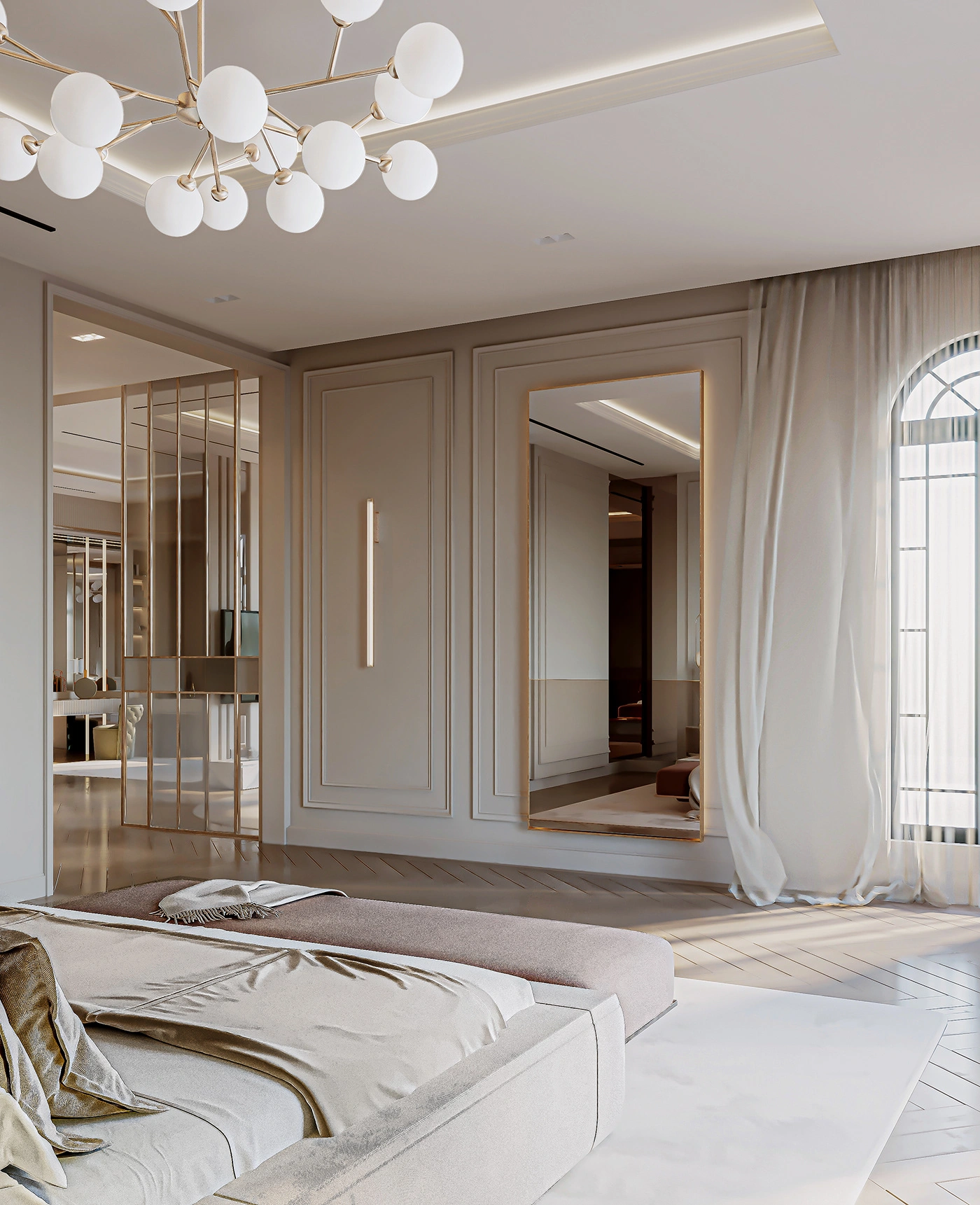
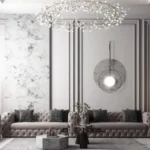
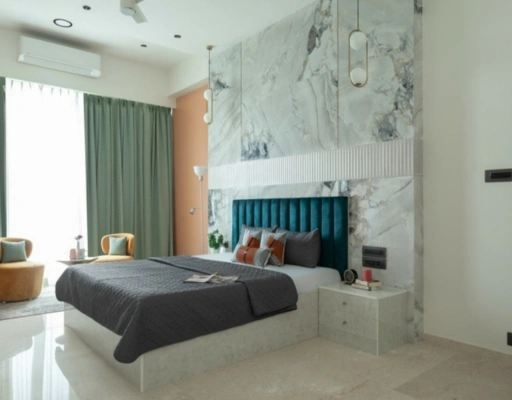
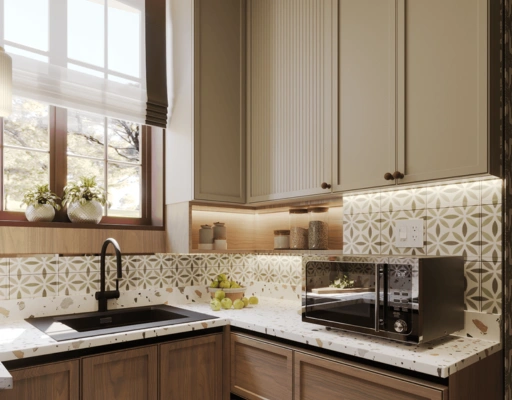
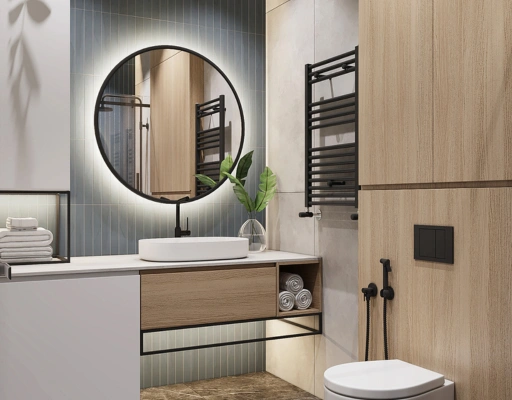
Our Gallery

Contact Info

Interior design today is built around people—their physical comfort, mental well-being, and emotional needs. Designers use human-centered thinking to shape spaces that truly support how we live, work, and relax each day. Many modern interiors now draw inspiration from biophilic design, which brings nature and natural elements indoors as a holistic way to support health, safety, and overall wellness. This can show up through light, materials, textures, plants, and views, all carefully chosen to make spaces feel calmer and more restorative.

Interior design touches almost every part of our surroundings—from building materials and finishes to furniture, storage, and layout. Thoughtful choices in these areas can silently improve how a room feels and how easy it is to use every day.

Biophilia is the idea that humans have an in-built desire to connect with nature and living things. The word comes from ancient Greek and roughly means “love of life” or “love of living things.” Psychologist Erich Fromm described biophilia as a deep love of life and of everything that is alive, while biologist Edward O. Wilson later explained it as our natural tendency to focus on and feel connected to life and life-like forms. In interiors, this translates into spaces that feel more alive—supporting mood, focus, and a quiet sense of well-being through a closer relationship with nature.


Project:
2BHK Home Interior, Pune
Project Type:
Residential Interior Design
Client:
Private Homeowner
Studio:
True Space Interior
Duration:
4–6 Months
Style
Modern, Warm Minimal
Style:

Design in Details

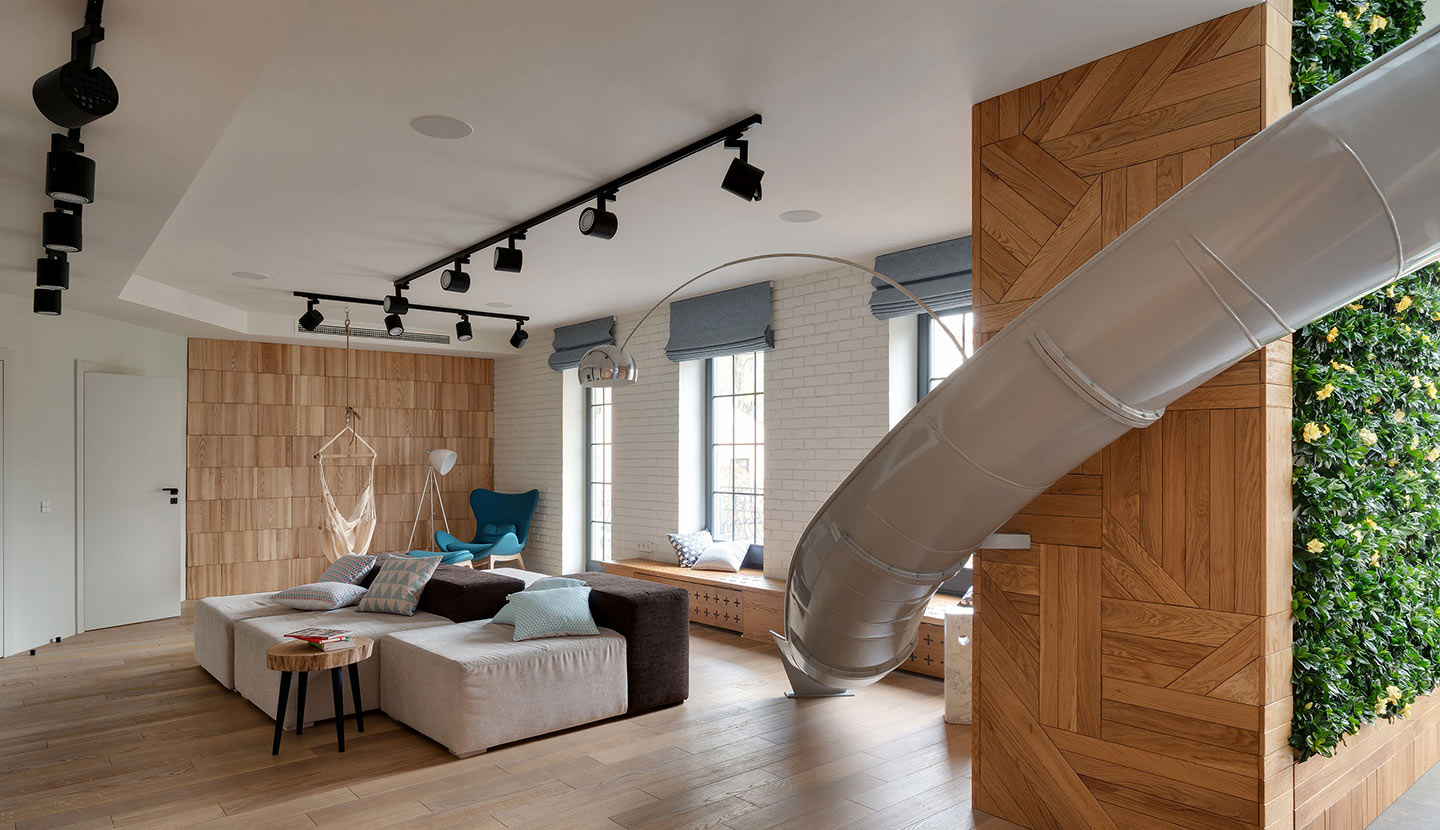
n interior design, we bring elements of the natural world into our built spaces—daylight, greenery, water, and materials like wood and stone. When we consciously use these natural systems and textures, people get more regular exposure to nature, which can support better health and overall well-being. Research links biophilic design to benefits such as reduced stress, more stable heart rate and blood pressure, and a healthier response in our nervous system.

As technology advanced through the 19th and 20th centuries, our daily relationship with nature changed dramatically. Protected from weather and outdoor conditions, we began spending more and more of our time inside, moving mainly between our homes and workplaces, with very little time outdoors. Today, many people spend close to 80–90% of their day indoors, which makes it even more important for interior spaces to reconnect us with nature. Biophilic thinking gives designers a framework to do exactly that—integrating nature into interiors in a thoughtful, restorative way.
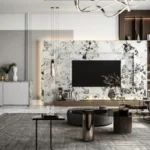
[30m2]

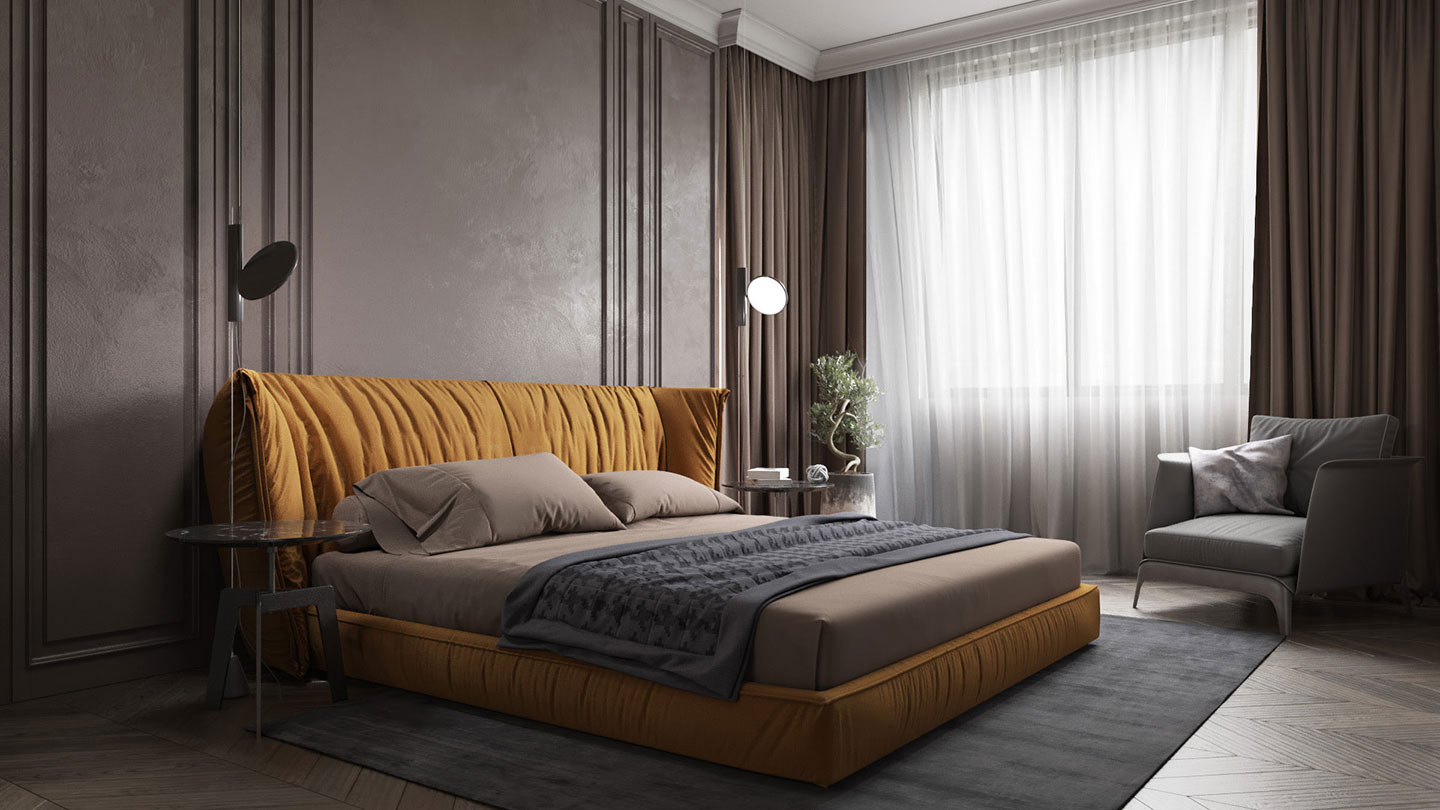
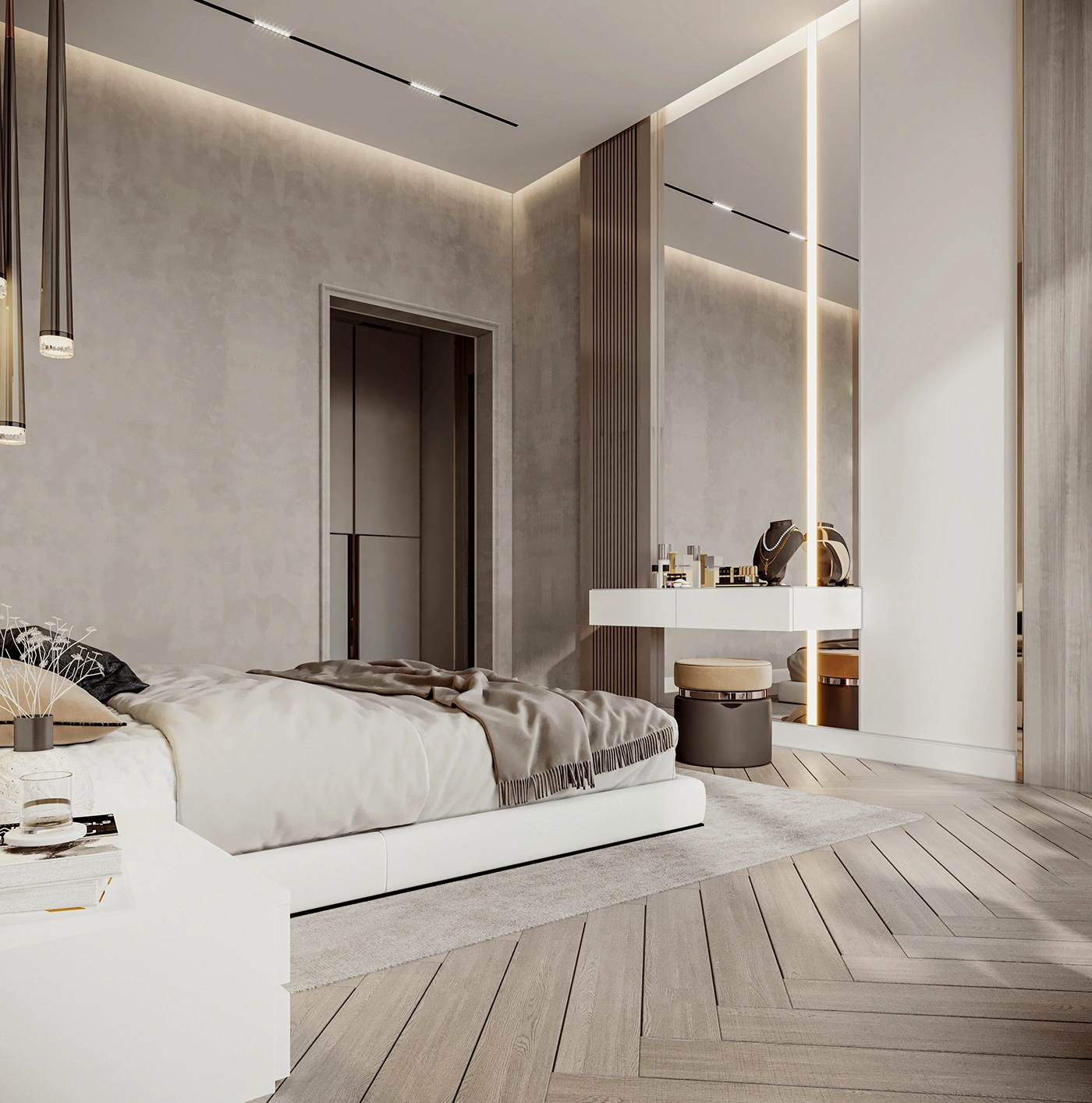
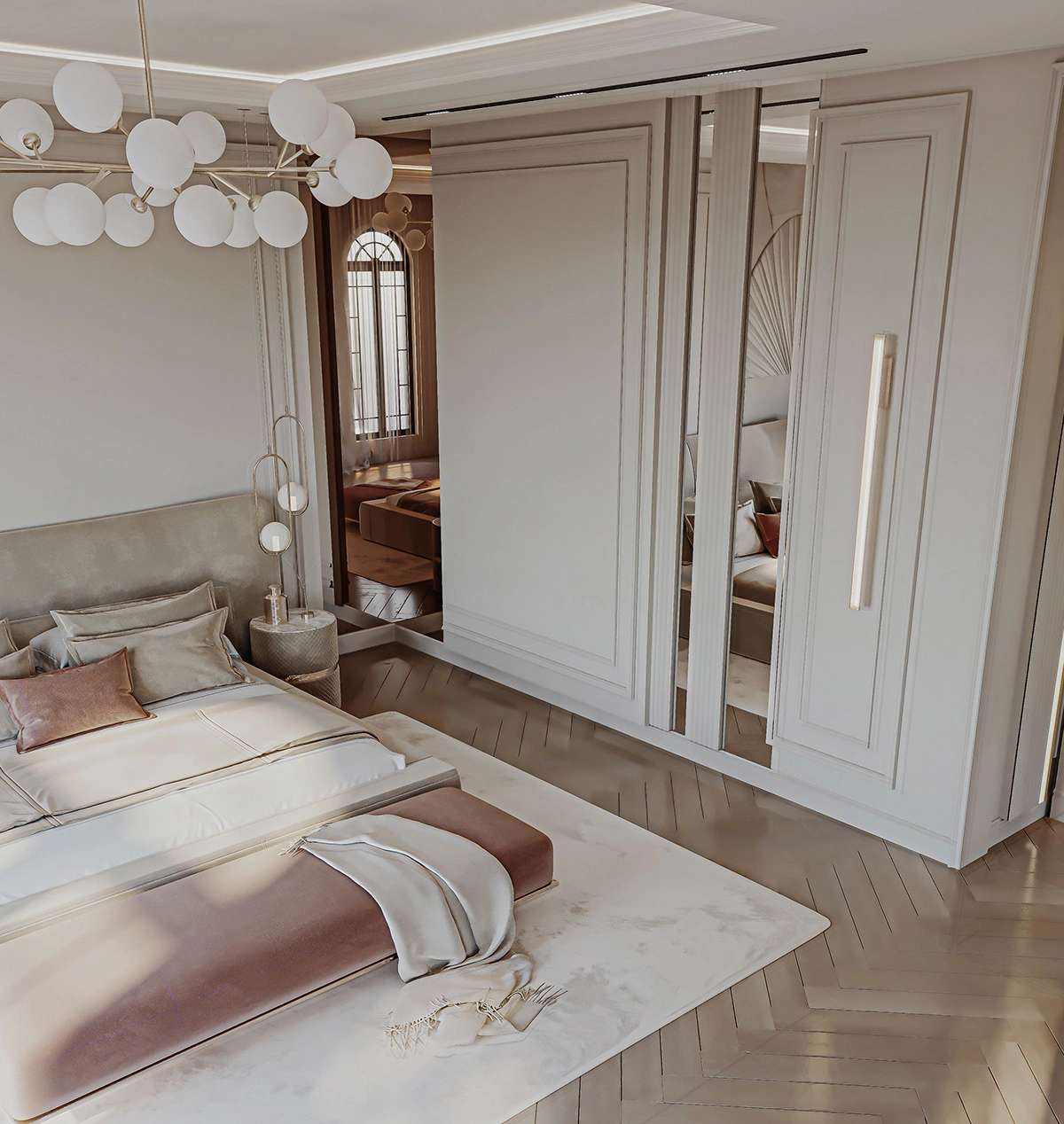
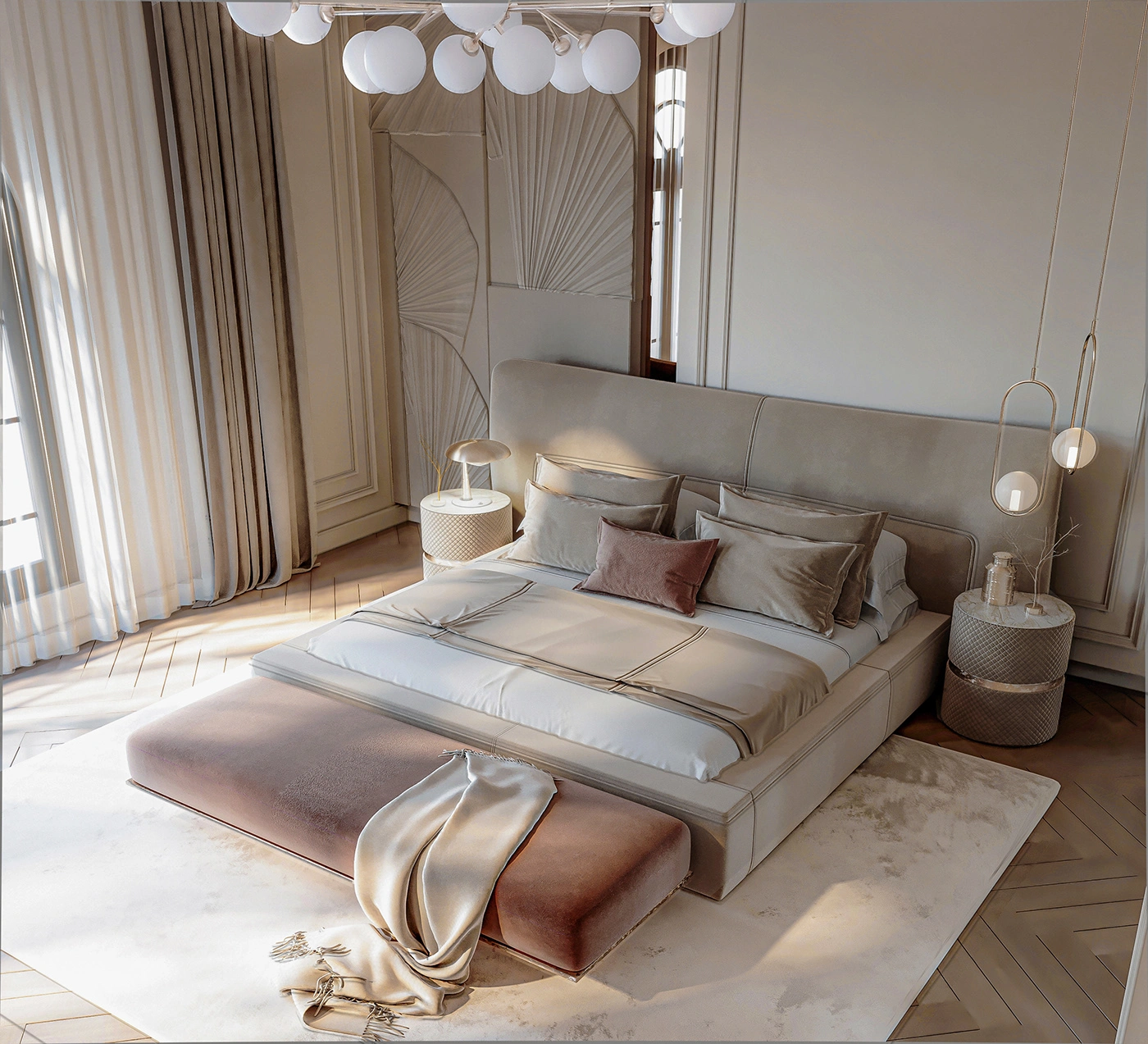
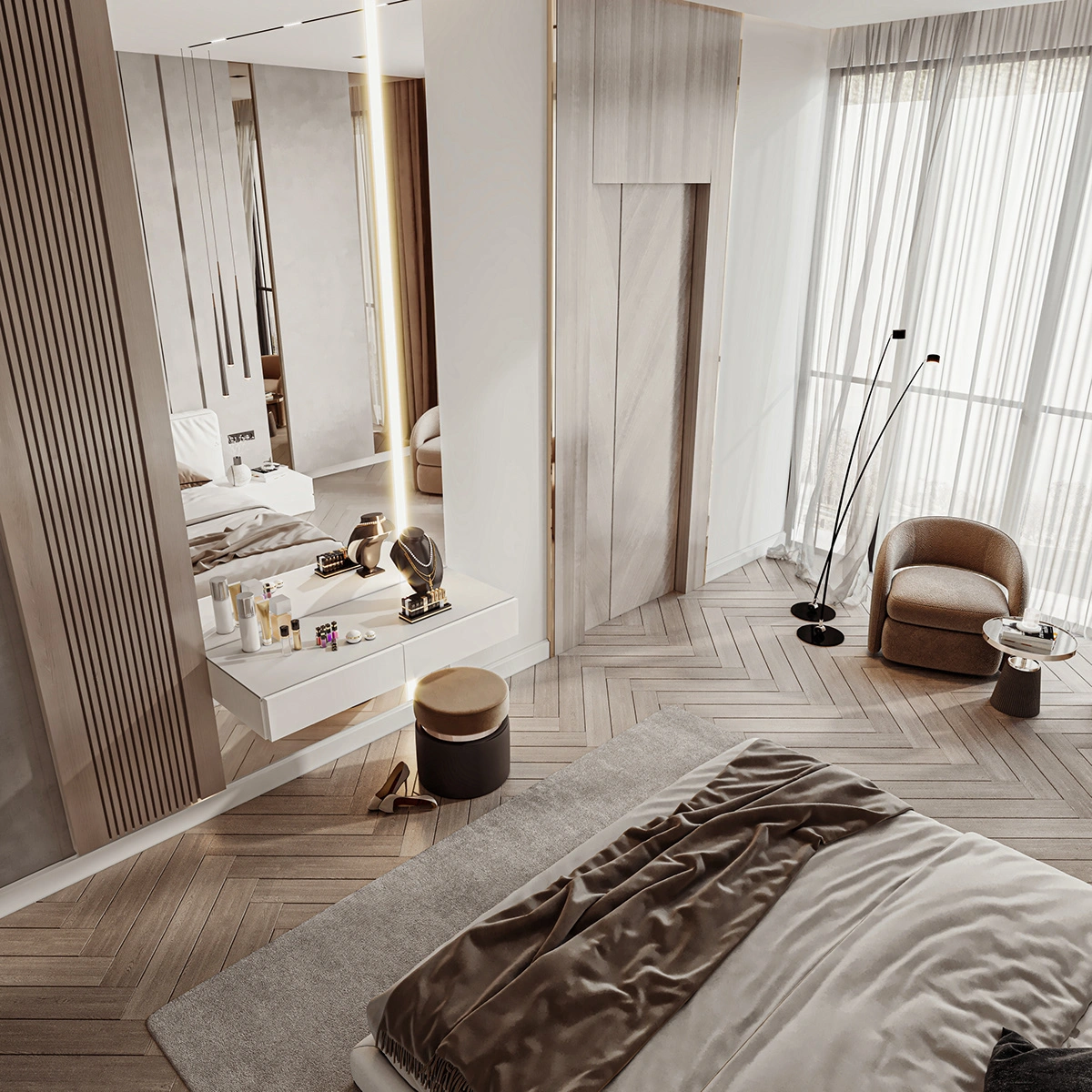
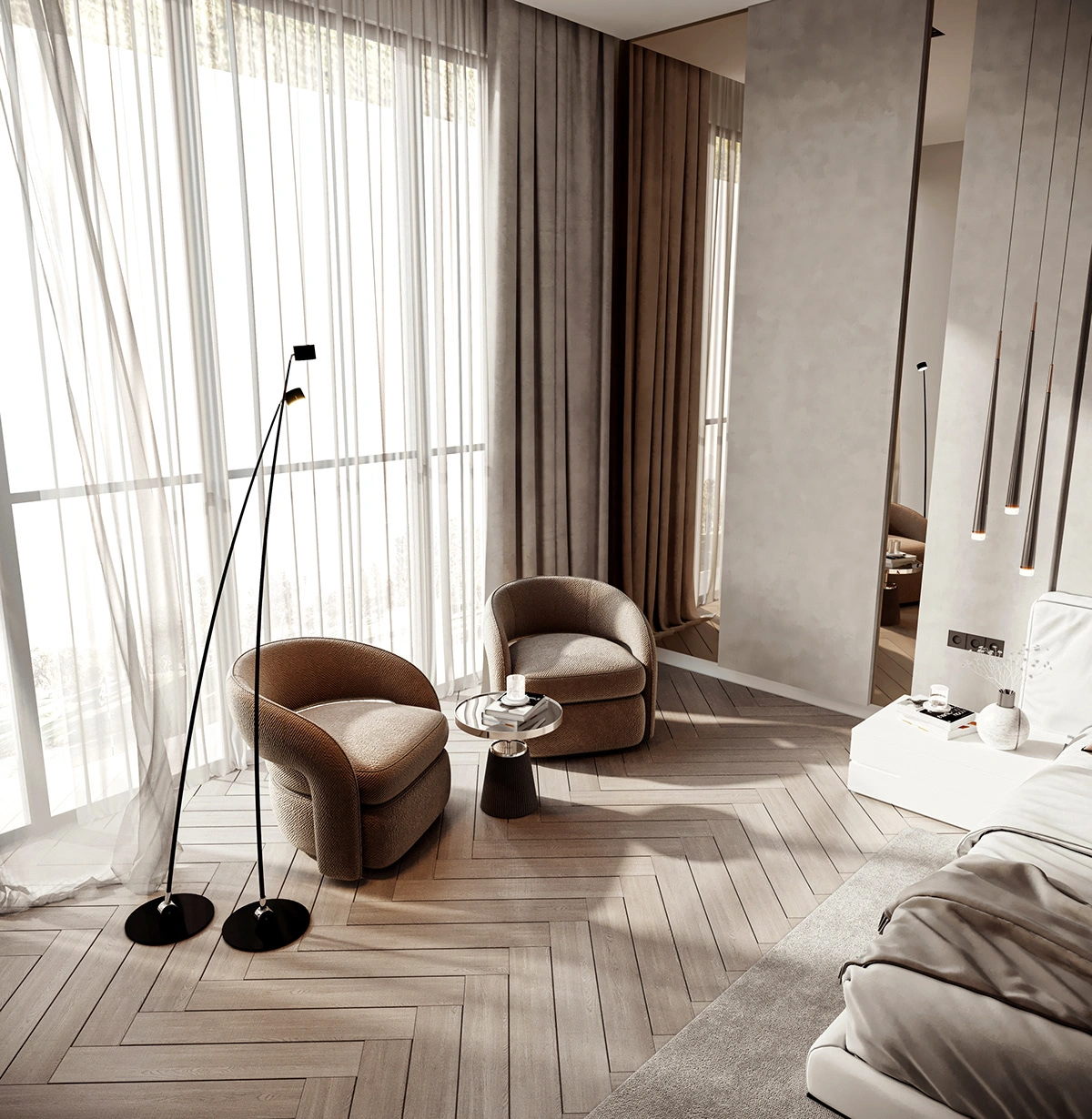
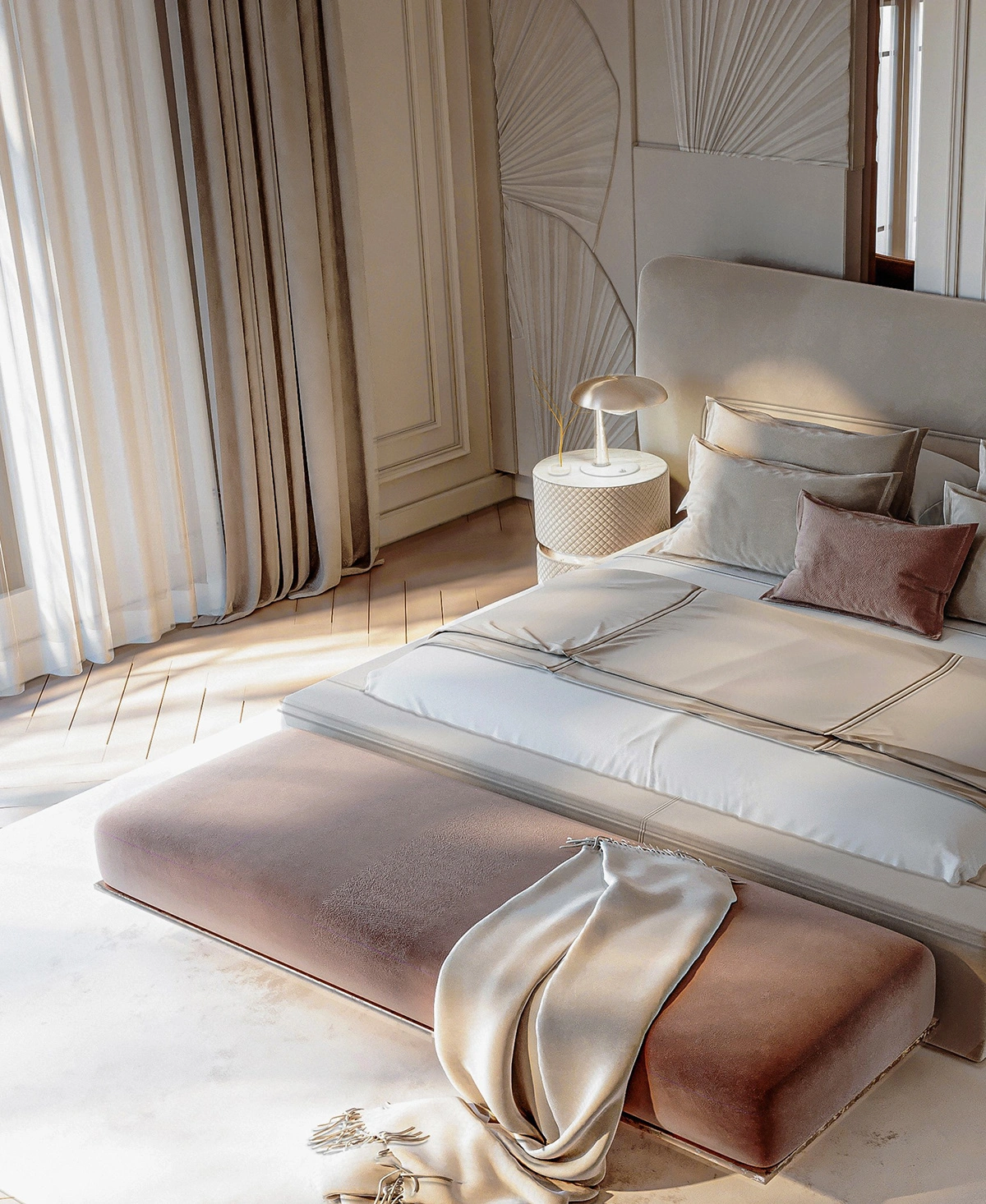
bedroom

[22m2]

bathroom

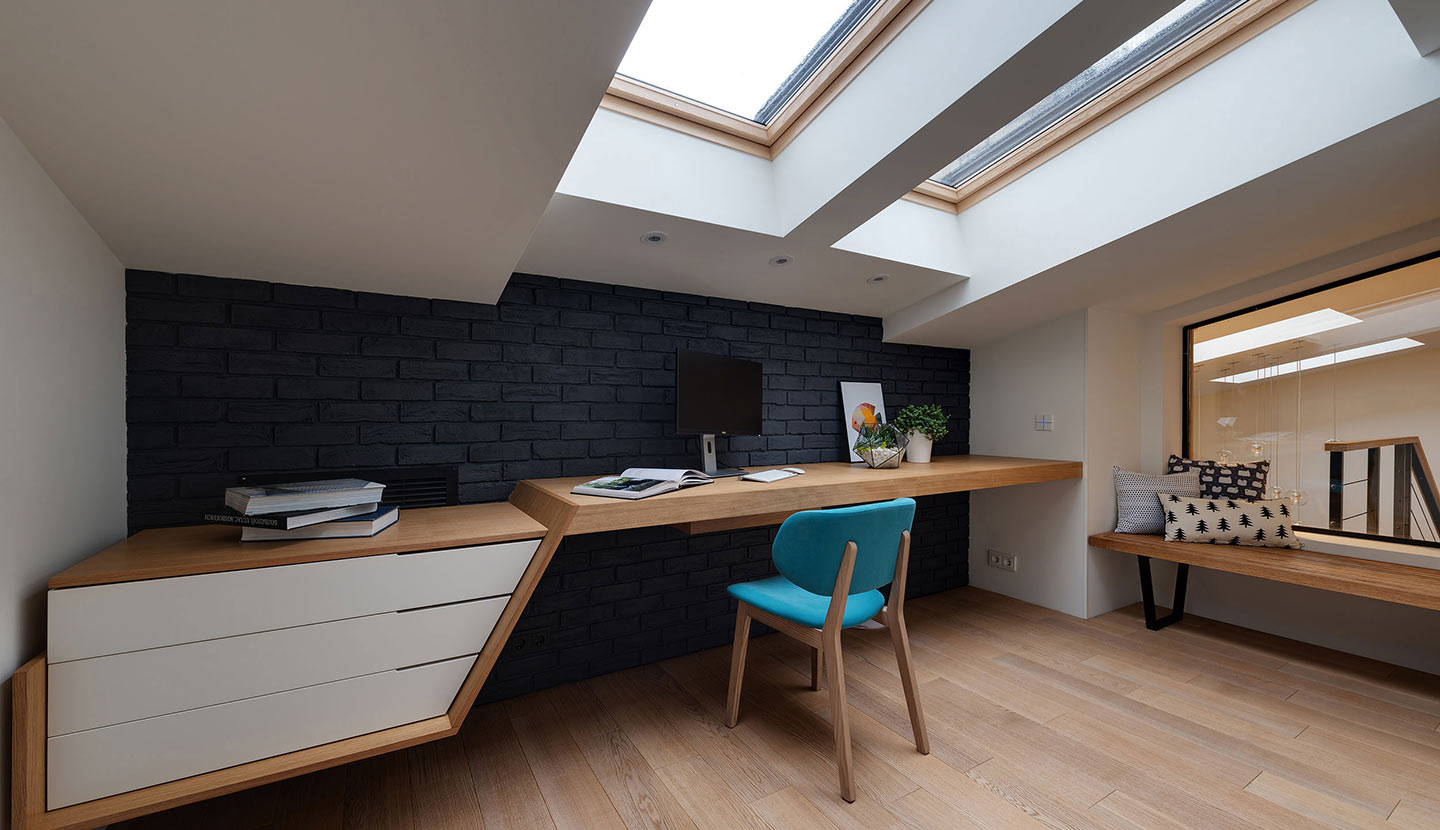
[28m2]

workspace

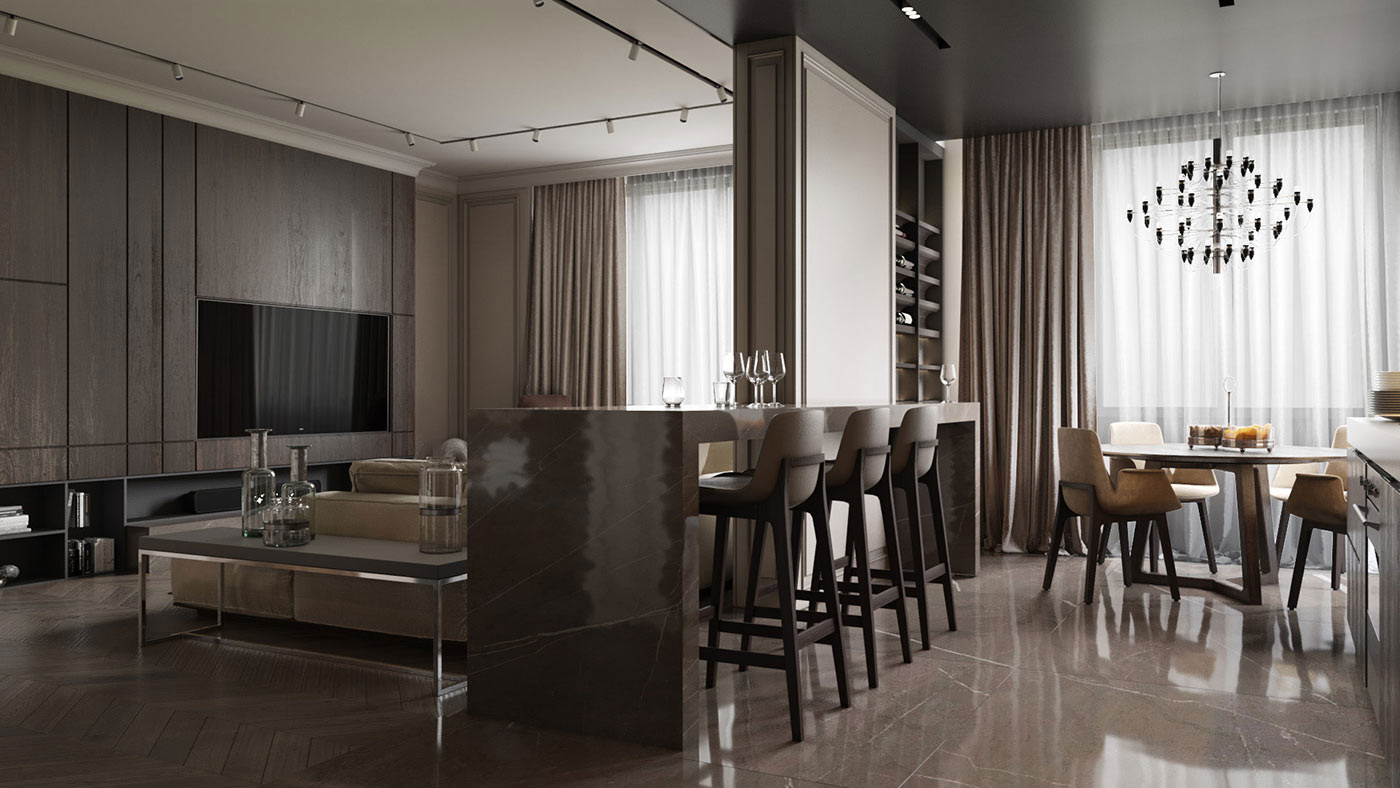
[15m2]

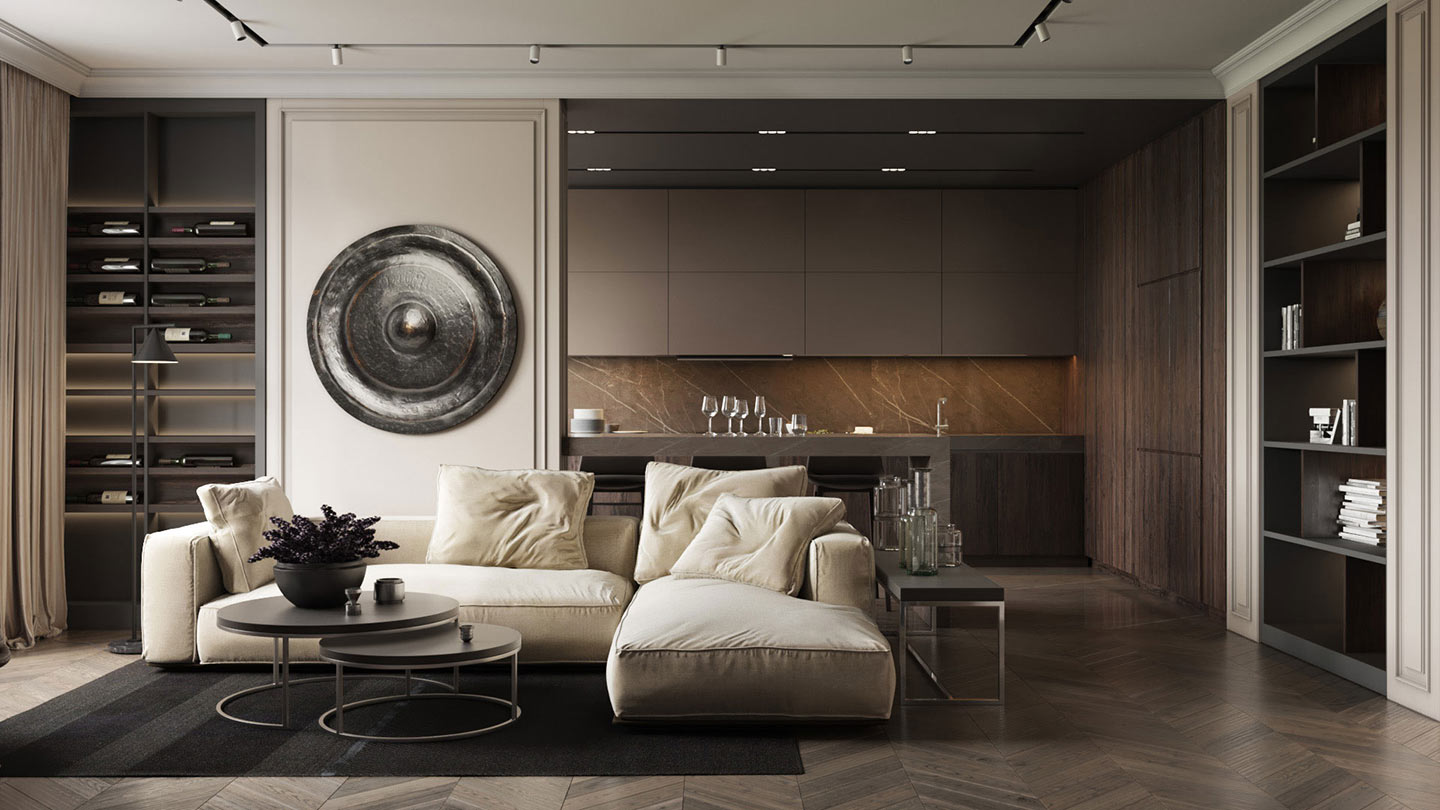
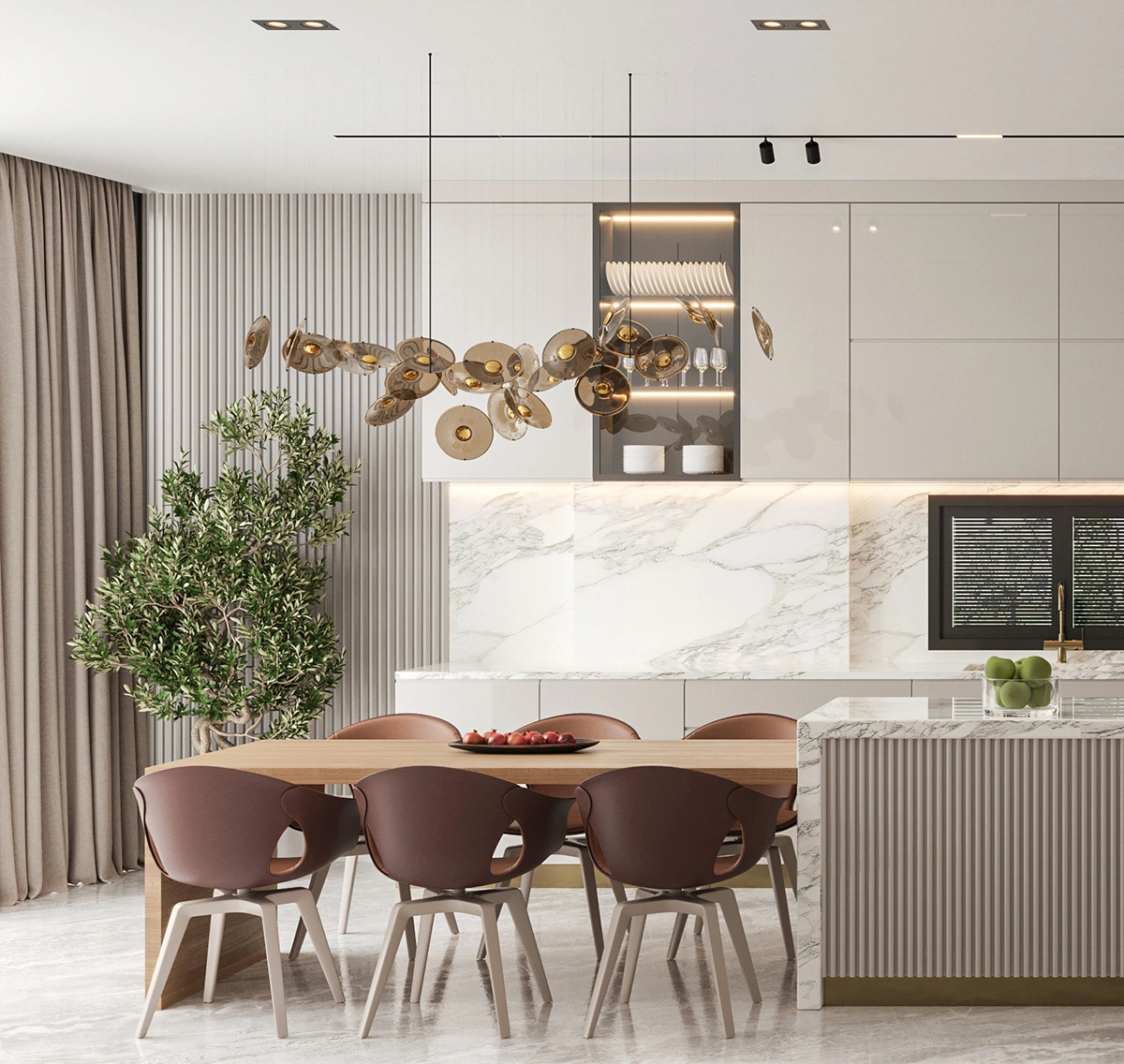
kitchen area

Incredible Result

By designing for all the senses—what you see, touch, hear, and even smell—we can create interiors that feel comfortable and meaningful across different ages and lifestyles. Spaces that connect us to nature have been shown to boost mood, increase focus and productivity, and support a deeper sense of well-being. With lower stress levels and more mental clarity, biophilic interiors can even support faster recovery and emotional balance in our increasingly busy, urban lives.

In this context, biophilia offers a more human-centered way to think about design, celebrating how we live, work, and learn alongside nature instead of apart from it. The term “biophilia” comes from Greek and roughly translates to a love of life or living things, originally explored by thinkers like Erich Fromm and later by biologist Edward O. Wilson. Their ideas help explain why spaces that echo nature feel so instinctively right to us—and why bringing those qualities into interiors leads to such powerful results.