Minimal House: New Trends in Interior Design
Minimalism today is less about stark, empty rooms and more about intentional living spaces that feel calm, functional, and warm. Homeowners are choosing fewer but better pieces, softer colour palettes, and layouts that make daily routines simpler. This new wave of minimal houses focuses on clarity—visually and mentally—without sacrificing comfort or personality.
1. Warm Minimalism, Not Cold Minimalism
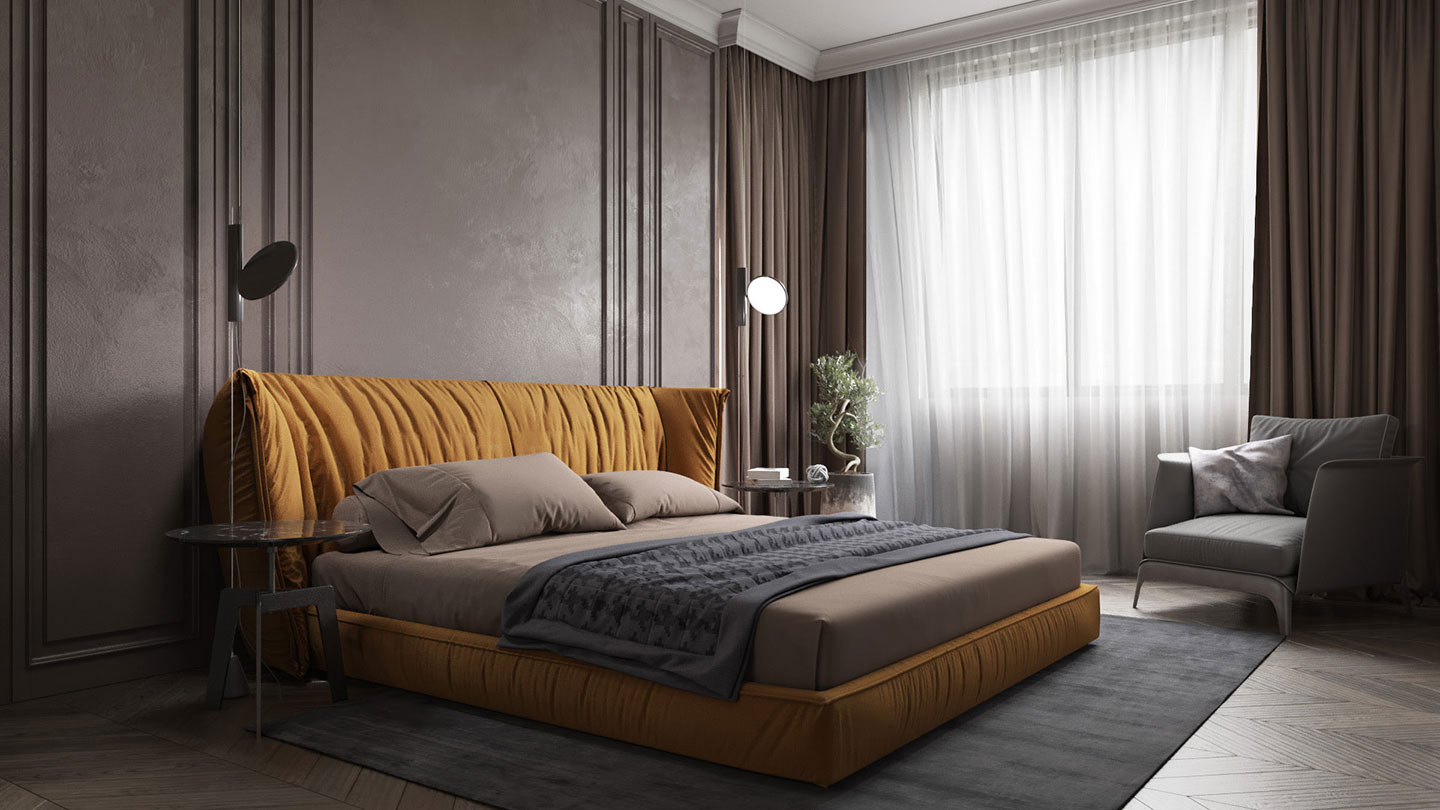
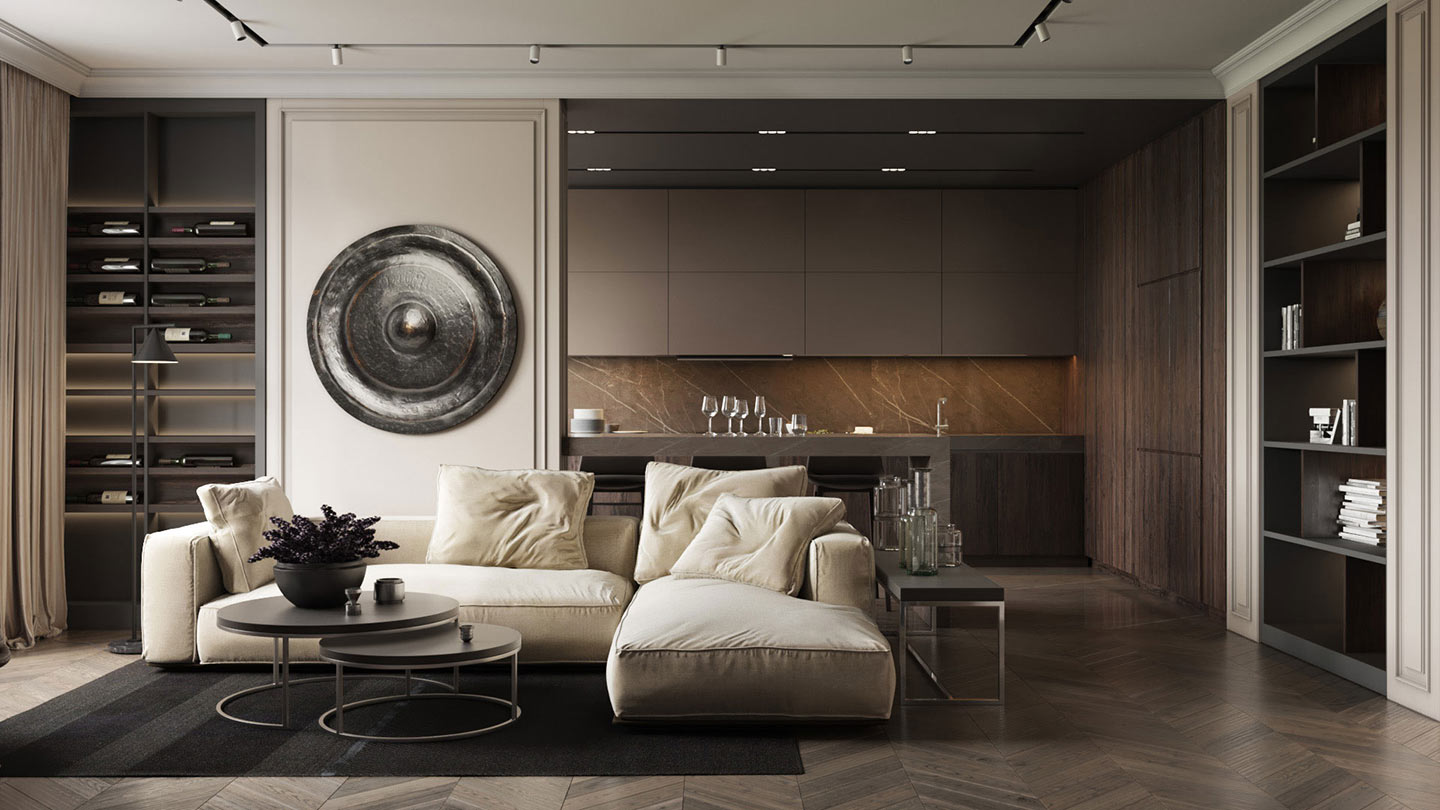
The latest trend replaces all‑white, clinical interiors with soft neutrals, warm woods, and layered textures. Think off‑white, beige, sand, taupe, and muted greys paired with oak, ash, or walnut finishes. Textured fabrics, rugs, and curtains add depth, so spaces feel serene but not sterile.Minimal houses rely on simple geometry and clean lines in furniture, ceilings, and storage. Slim sofas, handle‑less cabinets, and low‑profile beds help rooms feel open and organised. Visual noise is reduced so that proportions, light, and a few key objects become the focus.
“Even if you don’t have a ready sketch of what you want – we will help you to get the result you dreamed of.”
ANIL
3. Function‑First Furniture
Every piece in a minimal home is selected for purpose as much as aesthetics. Multi‑functional furniture—like storage beds, nesting tables, and extendable dining tables—works especially well in urban apartments. The idea is to free up floor area and keep circulation easy, which suits compact city homes.
4. Hidden Storage and Clutter Control
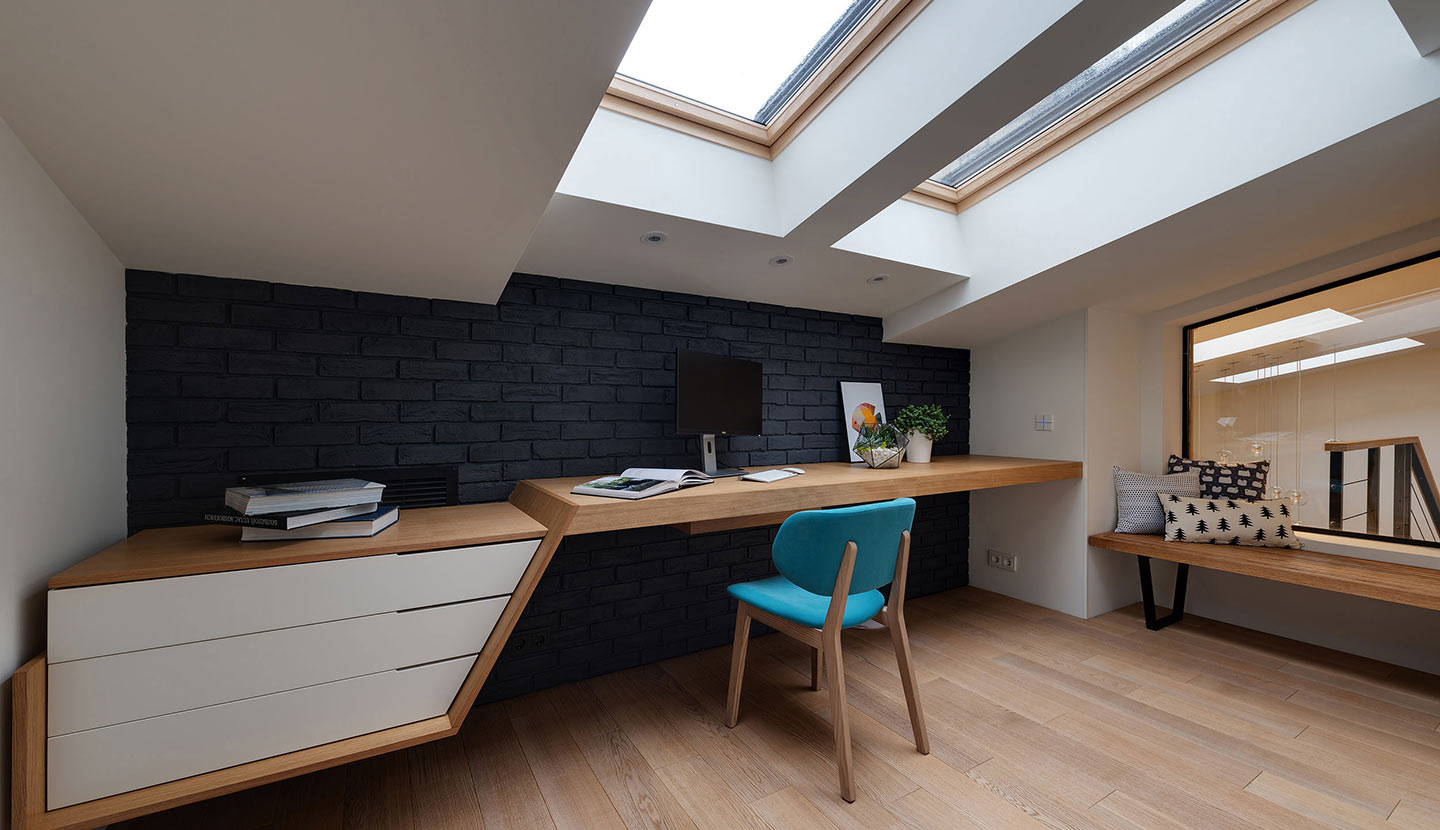
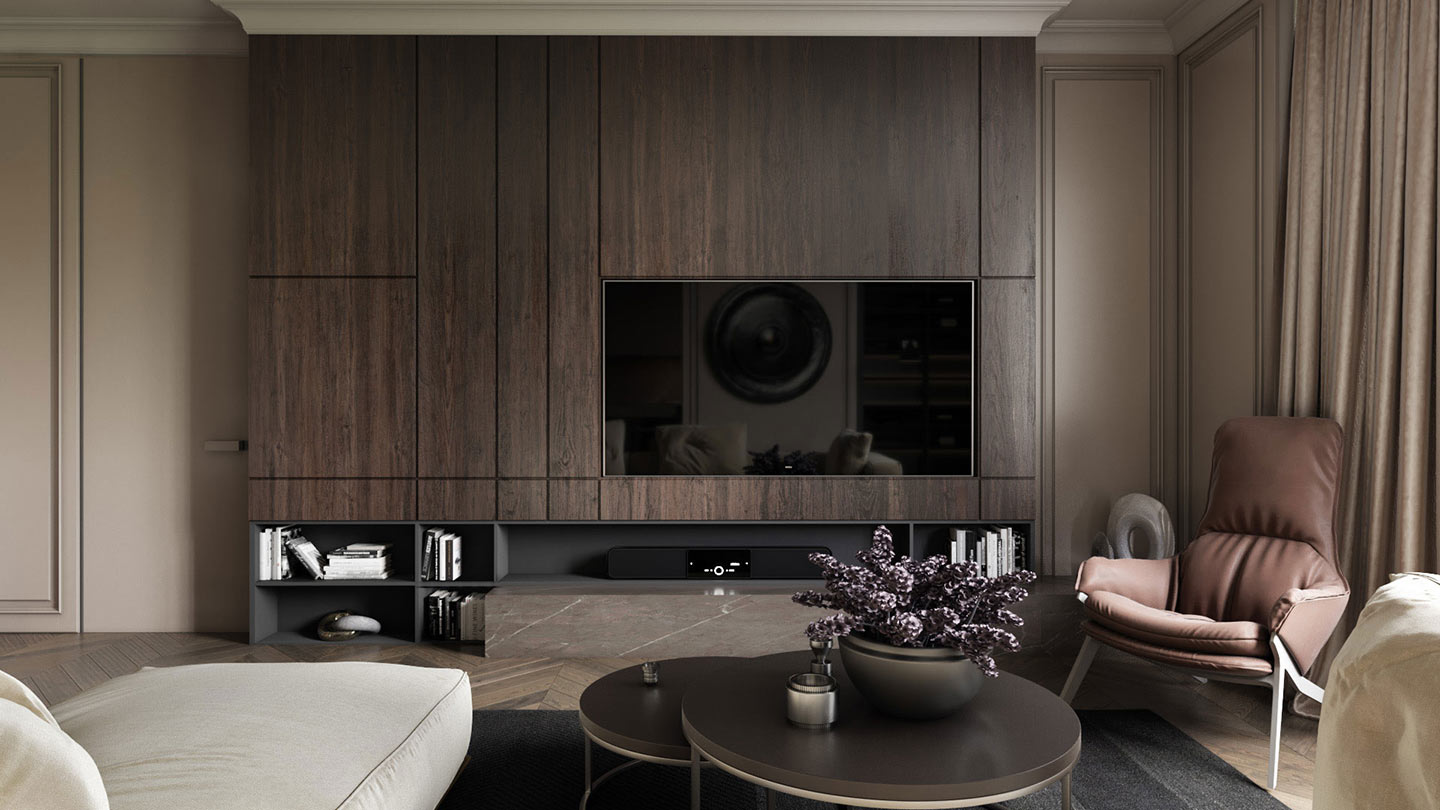
One of the strongest trends is integrated, almost invisible storage: full‑height wardrobes, wall‑to‑wall TV units, and built‑in benches with storage inside. By hiding everyday items, surfaces stay clean and minimal, making rooms appear larger and more peaceful. Open shelves are used sparingly for a few curated pieces instead of heavy displays.
5. Japandi and Global Influences
Styles like Japandi—blending Japanese simplicity with Scandinavian warmth—are shaping many minimal homes. Low furniture, natural materials, and a focus on craftsmanship fit well with Indian lifestyles and climate. This approach pairs perfectly with greenery, diffused light, and a limited, cohesive colour palette.
6. Seamless Flooring and Soft Transitions
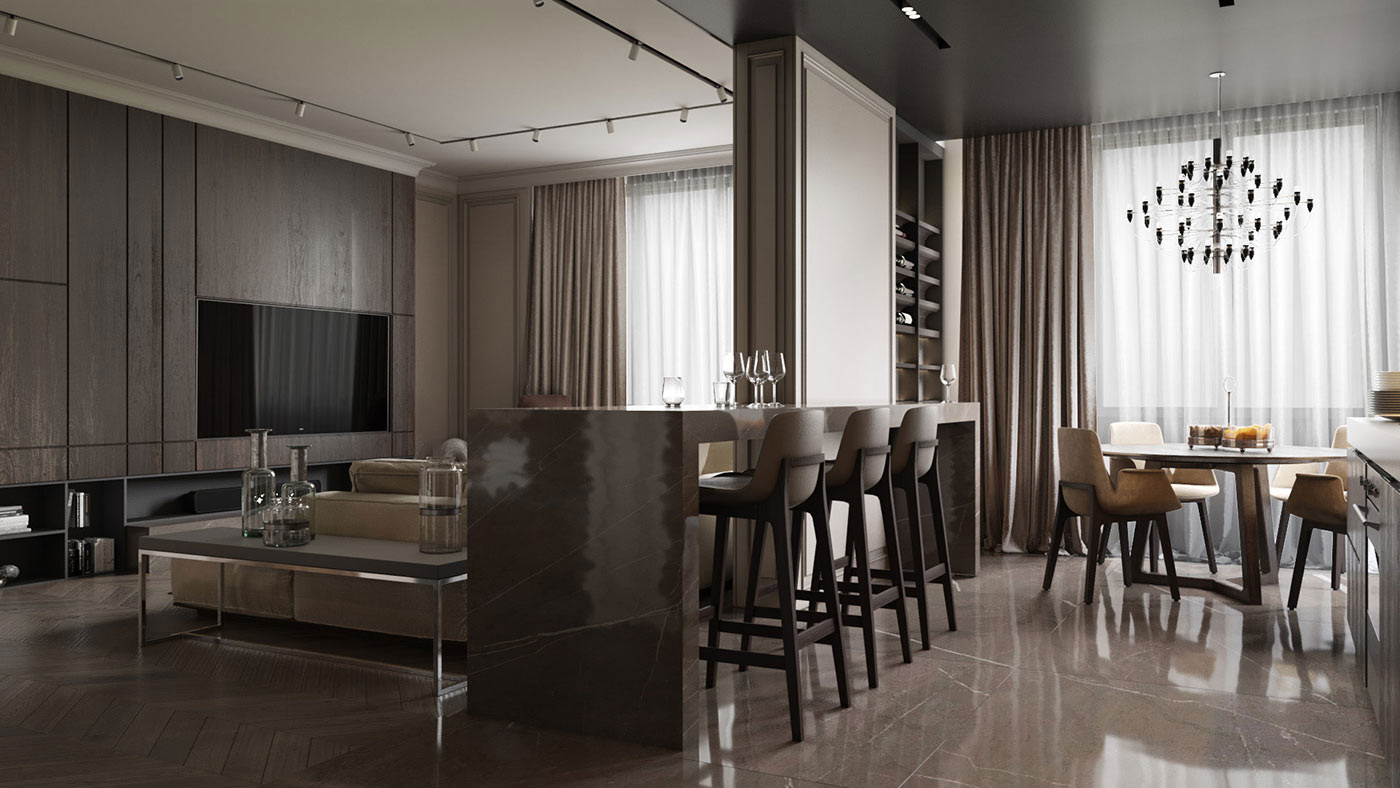
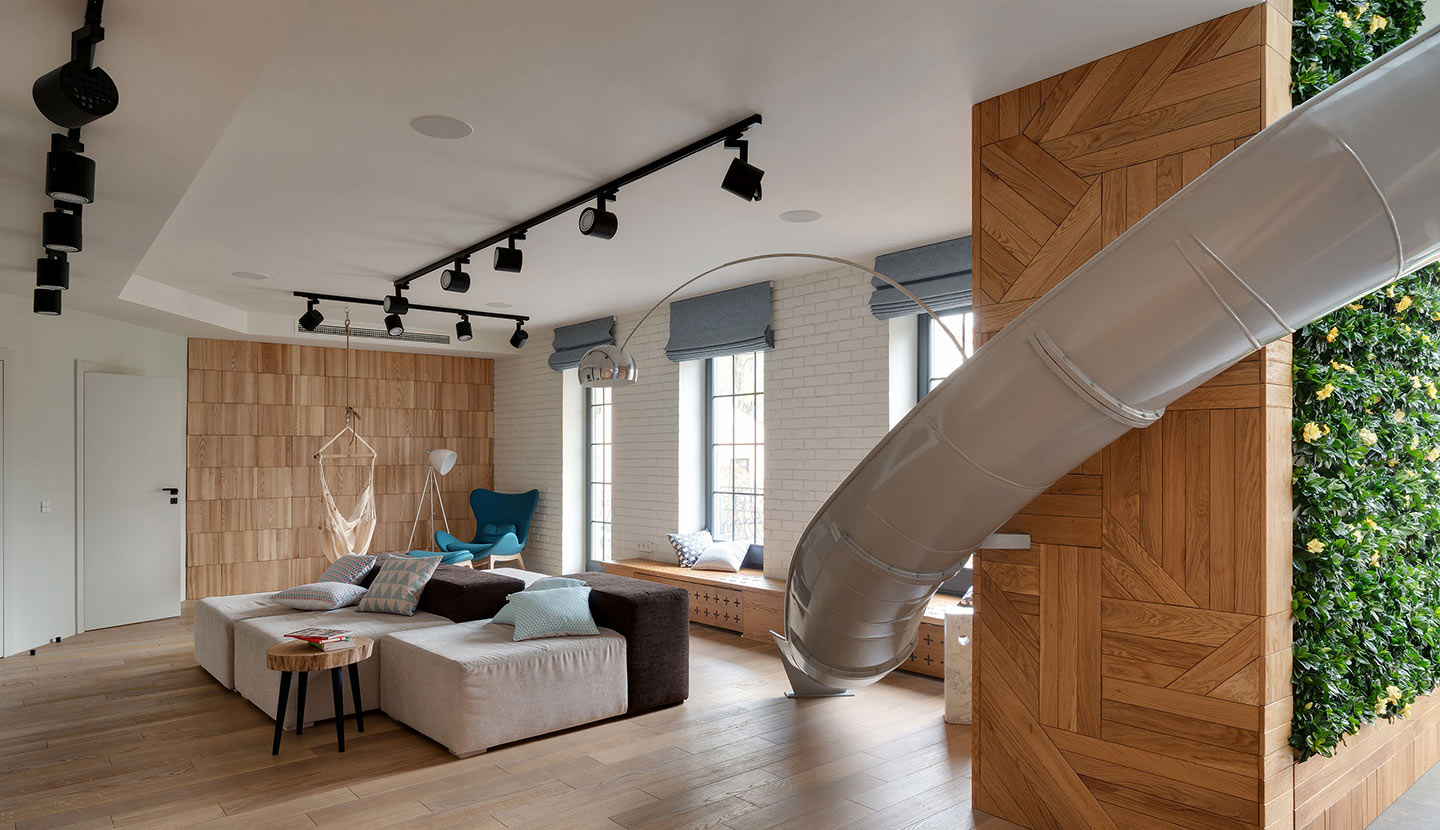
Using the same flooring across living, dining, and bedroom areas is a popular way to make minimal houses feel larger and more seamless. Subtle transitions—like a change in rug, ceiling detail, or lighting—define zones instead of heavy partitions. This creates visual calm while still supporting different functions in the home.
7. Natural Light as a Design Tool
Large windows, sheer curtains, and light‑coloured walls help bounce daylight around minimal interiors. Daylight becomes a key “material,” changing the mood of the house through the day. In dense urban settings, even a small balcony or corner window can be turned into a quiet, light‑filled nook instead of a cluttered storage zone.
8. Fewer Colours, Better Contrast
Minimal houses typically use one base neutral, one supporting neutral, and one accent tone. Black, charcoal, or deep brown details in lights, hardware, and frames add just enough contrast to keep the space from feeling flat. This controlled palette makes it easier to maintain a cohesive look over time.
9. Tech That Disappears
Another emerging trend is technology that blends discreetly into the interior: slim TVs, concealed wiring, and smart lighting controlled from the phone or voice. The focus stays on architecture and furniture, while tech quietly supports comfort and convenience. This aligns perfectly with the minimalist idea of “less visual clutter, more usability.”
10. Personal, But Edited
Minimalism doesn’t mean removing all personality; it means curating it. A minimal house may feature one strong artwork, a statement light, or a single heirloom piece instead of dozens of small decor items. Each object is chosen carefully so that it has space to breathe and tell its story.