Incredible Urban Architecture & Landscapes
Urban architecture in Pune is evolving rapidly, weaving together contemporary forms, local climate response, and connections to the natural landscape. As the city grows as an IT and education hub, designers are rethinking how buildings, streetscapes, and open spaces can feel both dynamic and deeply livable. The result is a new generation of projects where architecture, landscape, and public realm work together rather than as separate layers.
In this context, landscape design is no longer just about “greenery around the building” but about shaping how people move, pause, and gather in the city. Thoughtfully designed podium gardens, courtyards, terraces, and entry sequences soften dense urban edges and create cooler, more comfortable microclimates. Native planting, shaded walkways, and layered outdoor seating transform everyday circulation routes into experiences that invite people to slow down and connect.
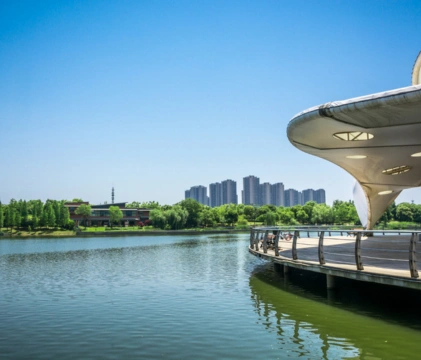
You Will Never Fake the Feeling of Being in Such a Place
Water and topography play a crucial role in Pune’s urban story, from the Mutha riverfront to neighborhood streets that follow natural contours. When architecture respects these systems—using stepped landscapes, bioswales, and rain gardens—it not only manages stormwater better but also creates memorable visual and spatial moments. These designed landscapes become buffers between traffic and calm, between built mass and open sky.
“Even if you don’t have a ready sketch of what you want – we will help you to get the result you dreamed of.”
ANIL
Biophilic thinking is increasingly visible in Indian public spaces and residential communities, where vertical gardens, urban forests, and shared green courts support mental wellbeing. In Pune, this translates into intimate sit‑outs under trees, verandah‑like edges overlooking planted courtyards, and rooftop landscapes that open to the horizon. Such spaces act as everyday retreats for residents, offering a breathing pause within hyper‑connected city life.
Incredible urban architecture and landscapes emerge when buildings, streets, and open spaces are imagined as one continuous experience rather than isolated objects. For a city like Pune—with its moderate climate, strong cultural identity, and rapidly changing skyline—this integrated approach can shape neighborhoods that feel future‑ready yet grounded in place. It’s in these carefully crafted transitions between built and natural, public and private, that urban life truly comes alive.